Aeration and overseeding are essential for maintaining a healthy, lush lawn. Over time, soil can become compacted, making it difficult for water, nutrients, and oxygen to reach the grassroots. Aeration helps alleviate this compaction by creating small holes in the soil, allowing the lawn to breathe and absorb essential nutrients more effectively. Overseeding, done in conjunction with aeration, introduces fresh grass seed to thicken your lawn and improve its overall health and resilience. Together, these processes promote stronger root systems, reduce bare patches, and help your lawn recover from stress, leaving you with a thicker, greener lawn year-round.

Fast. Easy. Convenient.
HOW IT WORKS: By entering your address below, you will be redirected to a secure site to select and pay for your Aeration & Overseeding service.

Why Aerate Your Lawn?
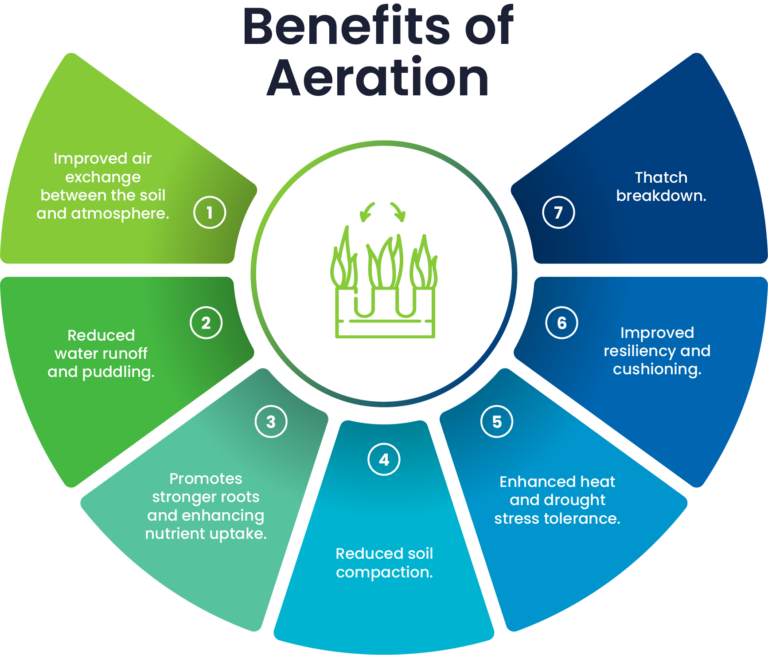
When you see small cylinders of soil scattered across a lawn and wonder, “What’s that about?”—that’s a sign of aeration. This annual task is key for many homeowners who prioritize a thicker, healthier lawn. Regular lawn maintenance, including yearly aeration, plays a significant role in enhancing your lawn’s health and appearance by allowing nutrients, water, and air to penetrate the soil effectively.
Without regular lawn care, lawns can develop bare spots, thin turf and unsightly weeds. Build-up of thatch or hard and compacted soils can prevent the infiltration of water and nutrients, leaving the turf vulnerable to high temperature, drought stress or disease.
Core aeration is widely recognized by turfgrass scientists in Nebraska as an eco-friendly way to revitalize lawns; controlling thatch and compaction and allowing nutrients to reach roots. With our heavy clay soils, annual aeration is essential.
When Lawns Need Aeration
The best time to aerate your lawn is during the growing season so that the grass can fill in any open areas after soil plugs are removed. Ideally, you’d aerate your lawn in the early spring or fall.
It may not seem like your lawn is compacted or that it has enough traffic for it to become so, but it happens easier than you may think. Vehicles or small equipment driven on the lawn are obvious offenders, but a lot of playing in the yard or hosting parties can leave your lawn compacted.
If your grass looks stressed and the soil is hard to the touch, or rainwater puddles up where it used to be absorbed, you probably have a compaction problem.
What Do I Do After Aerating My Lawn?
After your lawn has been aerated, let the soil plugs dry where they fall. They’ll break down during the next rainfall or crumble when you mow next. They add beneficial soil and organic matter to your lawn surface.
Right after aeration is the perfect time to overseed and fertilize your lawn. Seeds and nutrients will have direct contact with the soil through the openings created during aeration, giving roots the direct and fresh pathways they need to grow.
Aerate Your Lawn with the Team You Trust
Get a jump start on a greener lawn with Quality Irrigation. With our irrigation expertise along with aeration services, there will be increased success in achieving a healthier lawn.
Give the Quality Irrigation team a call today (402) 672-9297 and get started on the aeration process.
Dedicated Lawn Health Services Across the Omaha Metro Area
Quality Irrigation provides expert core aeration and overseeding to residential and commercial properties throughout the following communities:
- Omaha, NE
- Chalco, NE
- Gretna, NE
- Springfield, NE
- Papillion, NE
- Ralston, NE
- La Vista, NE
- And surrounding Omaha Metro communities.
Frequently Asked Questions (FAQ)
When is the best time for aeration and overseeding in Nebraska?
While aeration can be done in the spring, the late summer to early fall (late August through September) is the absolute best time for overseeding. The warm soil and cooler air temperatures provide the perfect environment for new grass seed to germinate and establish before winter.
What should I do with the soil plugs left on my lawn?
Please leave them! These plugs are filled with nutrients and beneficial microbes. They will naturally break down and disappear back into your turf within 1 to 2 weeks, especially after a few watering cycles or a mowing.
How should I water my lawn after overseeding?
New seed needs to stay consistently moist. We recommend light, frequent watering (2–3 times a day for about 5–10 minutes) until the new grass is roughly 2 inches tall. If you have an irrigation membership, we can help adjust your controller for this critical germination period.
Do I need to mark my sprinkler heads before you arrive?
Yes. To prevent damage to your system, we ask that you mark your sprinkler heads, valve box covers, and any shallow cables (like dog fences). If you need help with this, let us know—we can coordinate a system check to mark everything for you!