Grow Your Dream Lawn—Affordable Financing Options Available!

Blog

Aeration & Overseeding Tips for a Healthier Lawn Next Spring

Want your lawn to look fuller, greener, and more resilient next spring? The best time to make that happen is right now through proper aeration and overseeding. By loosening compacted soil and planting new seed while temperatures are still favorable, you give your lawn the best chance to bounce back strong after winter.

In Omaha and surrounding areas, late summer to early fall is usually the ideal time to aerate and overseed cool-season grasses. For warm-season lawns, late spring to early summer is best. Knowing your grass type will help you time it right.

When to Aerate and Overseed

Timing makes all the difference. For the best results, you’ll need to consider the type of grass you have.

  • Cool-season grasses (like fescue, rye, or bluegrass) do best when aerated and overseeded in late summer or early fall. The soil is still warm enough for seed germination, but the cooler air helps reduce stress on the new seedlings.
  • Warm-season grasses (like Bermuda or zoysia) benefit most from aeration and overseeding in late spring to early summer. That’s when these grasses are actively growing and can recover quickly.

You can also aerate in early spring, especially if your soil is heavily compacted. Be cautious when applying weed control afterward, since some herbicides can interfere with new grass growth.

How to Prepare Your Lawn

A little prep work goes a long way:

  1. Mow short: Cut your grass down to about 1.5 to 2 inches. This reduces competition for light and helps seeds reach the soil.
  2. Dethatch if needed: If your lawn has a layer of thatch more than half an inch thick, remove it so seeds can make contact with the soil.
  3. Water lightly: Water the day before you plan to aerate. This softens the soil, making it easier for the aerator to penetrate.
  4. Clear debris: Pick up sticks, rocks, and any other surface debris that might interfere with equipment or seed distribution.

Set up your tools and seed in advance so you can move smoothly from one step to the next.

Aeration: What to Do and How

Aeration opens up the soil so air, water, and nutrients can reach the roots. The most effective method is core aeration, which removes small plugs of soil and leaves holes where seed and water can settle in.

  • Use a core aerator, not a spike-type. Core aerators pull plugs from the ground, while spikes can actually make compaction worse.
  • Go over the lawn in multiple directions to ensure full coverage.
  • Leave the soil plugs on the lawn—they’ll break down naturally and return nutrients to the soil.

Aerating right before seeding ensures the new seed lands in those freshly made holes, giving it the best chance to grow.

Overseeding Immediately After Aeration

Overseeding should follow aeration right away for maximum seed-to-soil contact.

  • Choose the right seed that matches your existing lawn and suits your climate.
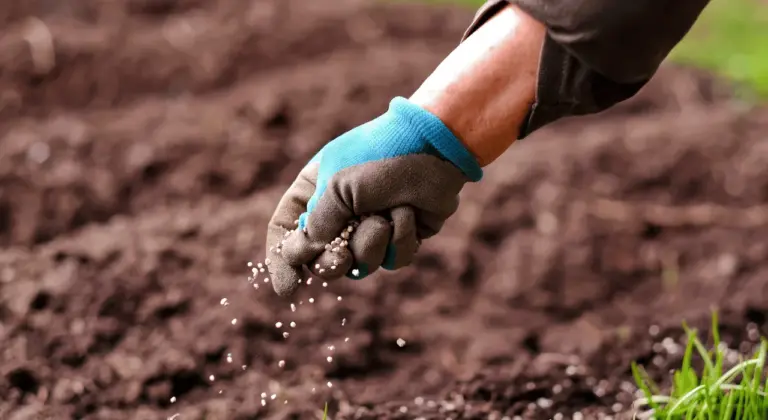
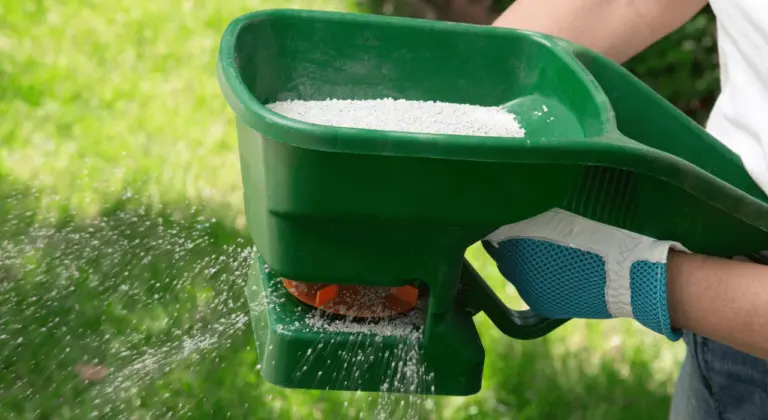
  • Use a broadcast spreader to distribute seed evenly. For small spots, you can seed by hand.
  • For full coverage, go in one direction first, then again at a perpendicular angle.
  • Lightly rake the area to pull seed into holes.
  • Apply a thin layer of mulch or compost if needed. This protects the seed and retains moisture.

Aftercare for Your Newly Seeded Lawn

The next few weeks are critical for success. These key recommendations will help you:

  • Water often: Keep the soil consistently moist, but not soaked. Water lightly 2–3 times a day until seeds germinate. Then switch to deeper, less frequent watering.
  • Avoid mowing too soon: Wait until the new grass reaches about 3 inches before mowing. Make sure your mower blades are sharp.
  • Skip weed control: Herbicides can harm young grass. Hand-pull weeds until your new lawn is more established.
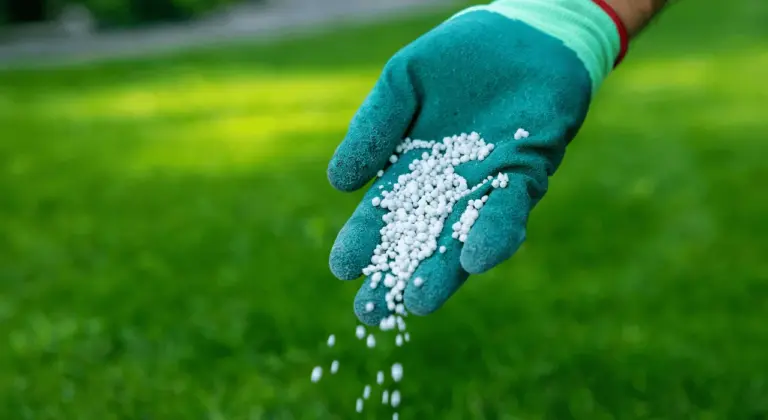
  • Fertilize: Apply a balanced fertilizer 3–4 weeks after overseeding to encourage root growth.

Annual aeration and overseeding keep your lawn healthy and resilient long term.

How Quality Irrigation Supports Your Aeration & Overseeding Efforts

At Quality Irrigation, we know that proper watering is just as important as aeration and overseeding. Our irrigation systems help you maintain consistent moisture levels, which is essential for new grass seed to take root and thrive.

We also understand that every lawn is different. Our team can help you time and plan your lawn care based on your turf type, property conditions, and local weather. From smart sprinkler systems to expert advice on seasonal lawn prep, we’re here to make sure your lawn comes back stronger and thicker next spring.

Whether you need help designing an efficient irrigation schedule or upgrading your system to support new growth, we’re ready to assist.

Ready to Transform Your Lawn?

Start your path to a better lawn now with aeration and overseeding. With the right prep and consistent care, you’ll see greener results by the time spring rolls around. Contact us to learn more about how Quality Irrigation can support your lawn care success in Omaha and surrounding areas.

Fall Irrigation Shutdown Checklist: Protecting Your System Before Freezing Temps

This fall irrigation shutdown checklist outlines exactly how to protect your sprinkler system from freezing temperatures in Omaha, NE. It covers all four key phases-preparation, system shutdown, water drainage, and final checks-so you can winterize properly based on whether you have a manual drain, automatic drain, or require a professional blow-out. For expert help, schedule service with Quality Irrigation today.

Phase 1: Preparation

This step gets your irrigation system ready for winterization. It involves gathering tools and removing parts that could be damaged by freezing temperatures.

Gather Materials
Start by collecting the necessary tools:

  • Air compressor (for blow-out method)
  • Air compressor coupling
  • Wrenches
  • Foam pipe insulation or tape

Remove Above-Ground Parts

  • Disconnect and drain hose-end timers, filters, and backflow preventers.
  • If possible, store these components indoors for the winter.
  • Clear debris from sprinkler heads and access points.

Phase 2: System Shutdown

Once your tools are ready, it’s time to shut off the water and power to the system. This prevents accidental activation and eliminates the source of water that could freeze in the pipes.

Shut Off the Water Supply

  • Locate and turn off the main water valve for your irrigation system. It’s often in a basement, crawl space, or box near your water meter.

Turn Off the Controller

  • Put the irrigation controller into “off” or “rain” mode.
  • This prevents the system from turning on during winter and causing damage.

Phase 3: Draining the Water

All water must be removed to prevent pipe bursts or component cracks. In areas with hard freezes like Omaha, the blow-out method is highly recommended and may be required to maintain warranty coverage.

Method 1: Manual Drain

  • Locate manual drain valves at the system’s low points.
  • Open one valve at a time to release water, then close once drained.
  • Open the main drain on the backflow device to let any trapped water escape.

Method 2: Automatic Drain

  • Some systems include automatic drain valves that open when the water supply is shut off.
  • Walk your system to confirm water has drained and check for leaks or pooling.

Method 3: Blow-Out (Recommended for Cold Climates)

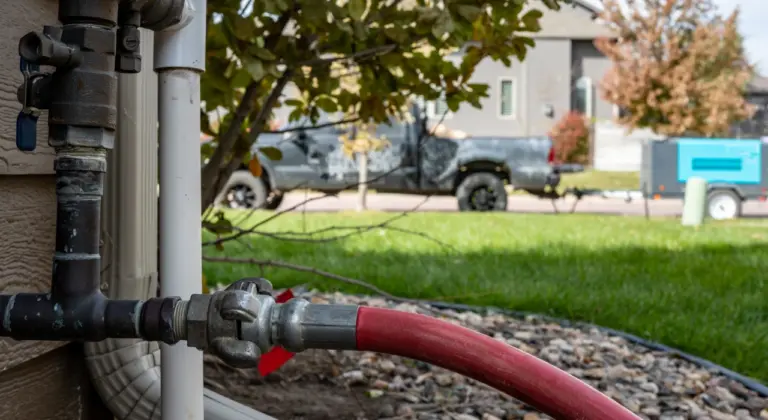
  • Connect an air compressor to the blow-out port downstream of the backflow preventer. Never push air through the backflow device.
  • Set compressor pressure to under 50 psi for polyethylene or under 80 psi for PVC lines.
  • Begin with the zone farthest from the compressor and activate it through the controller.
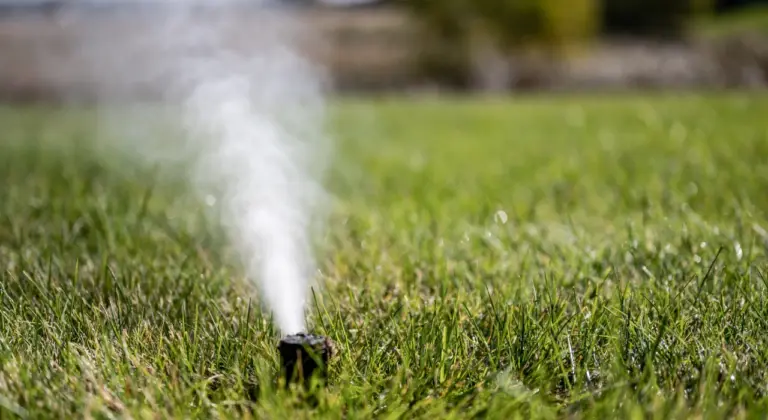
  • Let it run until only a fine mist appears.
  • For larger systems, use multiple short cycles per zone instead of one long cycle.
  • Once all zones are clear, shut off and disconnect the compressor.

Pro Tip: Blow-outs are best handled by professionals with the right tools and experience.

Phase 4: Final Checks

After draining your system, these last steps ensure everything is protected and no water remains in critical components. Insulation and proper storage are key to preventing winter damage.

Drain the Backflow Preventer

  • Rotate both ball valves to a 45-degree angle to allow any remaining water to drain and avoid freezing.

Insulate Exposed Parts

  • Use foam covers or insulation tape to wrap exposed valves, pipes, and backflow components.

Secure All Connections

  • Cover the blow-out port or thread the cap back on loosely for drainage.
  • Avoid sealing tightly to prevent trapped moisture.

Store Accessories

  • Remove and store hoses, timers, and sprinkler heads in a dry, warm location.

Don’t Wait – Schedule Your Professional Winterization

A properly winterized sprinkler system saves money, prevents damage, and protects your investment. At Quality Irrigation, we provide full inspections, blow-outs, and backflow services to prepare your system for freezing temperatures in Omaha, NE.Call 402‑672‑9297 or request service online before Omaha’s first freeze, which typically hits in October. We serve Omaha, Gretna, Springfield, Papillion, La Vista, Ralston, and nearby Nebraska communities.

Welcome Great Plains Irrigation Customers

Great Plains Irrigation is now part of Quality Irrigation

Welcome to our customer family!

We are excited to announce that Luke Spielman, former owner of Great Plains Irrigation, has joined the Quality Irrigation team as our Service Manager.

We are excited to have Luke as part of our team.

We look forward to serving all of Great Plains Irrigation’s customers.    Please browse our website to learn more about our services and to schedule services on-line.

The Team at Quality Irrigation

Welcome Mullen Irrigation Customers

Mullen Irrigation is now part of Quality Irrigation

Welcome to our customer family!

We are excited to announce we have purchased the assets of Mullen Irrigation.  Tom Mullen is now part of the Quality team!

We are honored that Tom selected our company to take over his customer accounts.   In the last 25 years, Quality Irrigation has grown to be Omaha’s top-rated leader in sprinkler system maintenance and repair.

We look forward to serving all of Mullen Irrigation’s customers.    Please browse our website to learn more about our services.

The Team at Quality Irrigation

Starting Your Sprinklers in the Spring – What You Need to Know

After a long winter, it’s time to wake up your sprinkler system and get it ready for a spring of keeping your landscape looking its best. Our sprinkler start-up service gets your system ready for optimum performance during the season by performing regular maintenance and identifying any specific issues that may cause problems during the spring season.

Trust our technicians to follow the correct procedures to start your system correctly.  Take note: it is possible for a novice to cause significant damage to a system by refilling the pipes incorrectly. Surge pressures, air compression and water hammer can result and can damage or destroy sprinkler heads, valves and other components.   Unless you’re familiar with the correct start-up procedure for your system, leave it to our professionals.

Our spring start-up service includes:

  • Refilling the system with water
  •  Testing available water pressure
  • Operating each zone from the irrigation controller
  • Checking each sprinkler head for operation and coverage
  • Adjusting and cleaning components as needed
  • Visually checking for broken risers and underground leaks
  •  Setting controller for the upcoming watering season
  • Verifying sensor operation (where applicable)

Contact our office to schedule your spring start-up today.

We’re not landscapers or building contractors who install sprinkler systems on the side. We’re one of a few dedicated Omaha sprinkler companies.. We proudly feature the industry’s major brands including Hunter, Rain Bird and Toro and offer excellent warranties on labor as well as parts: 5 years on parts and 2 years on labor.

There’s a reason we have Quality in our name. It’s our promise to you. We continually seek new and better ways to serve you, appreciate your business and work to your satisfaction guaranteed!

FAQs About Drip Irrigation

We’re getting more and more calls about Drip Irrigation and that’s great.  Drip systems use a lot less water than sprinklers, plus plants, flowers, trees and shrubs LOVE Drip.  Best of all, Drip Irrigation can be easily integrated into your existing sprinkler system.

If you’ve been curious about Drip Irrigation and whether or not it’s for you, check out the following FAQS or Contact Us today. We’ll be happy to give you a FREE Audit and Estimate.

What are the benefits of Drip Irrigation?

Saves Water and Money
  • Up to 70% more efficient than sprinklers
  • Won’t damage siding or fencing with water blasting
  • Won’t “overwater” onto sidewalks, driveways or streets
Makes Life Easier
  • Can be used during windy periods
  • Can still efficiently deliver water to the soil even during hotter temps
  • Works even in clay and sandy soils
  • Can be easily modified, expanded or moved based on evolving landscaping
  • Doesn’t require trenching
Plants LOVE IT
  • Delivers water slowly, drip by drip, for more accurate, consistent watering to root systems
  • Maintains both an even amount of soil moisture and air in the soil, which stimulates plant growth
  • Plants and flowers grow fuller and prettier
  • Perfect solution for specific plants or shrubs that struggle with top watering, such as shrub roses
  • Discourages weed growth and disease

Where should Drip Irrigation be used?

  • In flower and vegetable gardens
  • At the base of trees or shrubs
  • In landscaping and berms
  • On sloped areas of a property
  • In awkward-shaped areas of the yard
  • In large pots and planters
  • Where you’ve plants with differing watering needs

Where shouldn’t it be used?

  • Overhead irrigation works best for grass which is why we use both overhead irrigation and Drip Irrigation in designing our sprinkler systems
  • Also, Drip Irrigation shouldn’t be used in annual garden beds where greenery is densely planted

What are the components used for a Drip Irrigation system?

  • Emitters
  • Tubes
  • Microsprays

How would Drip integrate with my existing sprinkler system?

  • Each Drip Irrigation area would function as a separate zone
  • Those zones would work off the same controller as your current system

How do you winterize the Drip zones?

  • While a Drip system needs to be drained of water, it doesn’t need to be blown out with an air compressor.

Jardine Accepts Award for Excellence in Leadership

The Greater Omaha Business Excellence Awards Ceremony took place at the Embassy Suites Omaha-LaVista, and Ryan Jardine, the owner and president of Quality Irrigation, was among the 32 companies and individuals honored.  Our leader received his award for Business Excellence in Leadership.

Congratulations to him and to all of the other winners! We have some outstanding business talent in Omaha.

We’re not landscapers or building contractors who install sprinkler systems on the side. We’re one of a few dedicated Omaha sprinkler companies.. We proudly feature the industry’s major brands including Hunter, Rain Bird and Toro and offer excellent warranties on labor as well as parts.

There’s a reason we have Quality in our name. It’s our promise to you. We continually seek new and better ways to serve you, appreciate your business and work to your satisfaction guaranteed!

We Don’t Dabble. We’re Specialists. 
We’re not landscapers or building contractors who install sprinkler systems on the side. We’re one of a few dedicated Omaha sprinkler companies. Installing and maintaining Omaha sprinkler systems is all we do, spring though fall and our customers tell us we’ve gotten pretty darn good at it.

Photos are by C41 Photography.

Quality Irrigation Owner Awarded for Business Excellence in Leadership

We’re happy to announce that the Greater Omaha Chamber of Commerce has named Ryan Jardine, owner and president of Quality Irrigation, a Business Excellence Award winner. One among 32 winners, Jardine is receiving special distinction for demonstrating excellence in business leadership.

In a posting on its website, the Omaha Chamber states that the award winners are “individuals and businesses whose contributions elevate our region and make it a better place for everyone to do business, work and live.”


Congratulations to All of the 2015 Business Excellence Award Winners!

Aksarben Cinema
C&A Industries, Inc.
CARSTAR Auto Body Repair
Dingman’s Collision Center
Embassy Suites Omaha – La Vista / Hotel & Conference Center
The Filter Shop Inc.
Godfather’s Pizza, Inc.
Goodwill Industries, Inc, Serving Eastern Nebraska and Southwest Iowa
Habitat for Humanity of Omaha
Heartland Equine Therapeutic Riding Academy (HETRA)
Investors Realty Inc.
Ryan Jardine – Quality Irrigation
Susan Ann Koenig
LEO A DALY
LinkedIn
Lutheran Family Services of Nebraska
Mercy High School
Nebraska Children’s Home Society
Omaha Children’s Museum
OneWorld Community Health Centers
Suji Park – Food Dreams Made Real
Paul J. Strawhecker, Inc.
QLI
RDG Planning & Design
SAC Federal Credit Union
SecretPenguin
Eric Stueckrath – Outlook Nebraska
Surreal Media Lab
Verdis Group
Vintage Financial Group LLC
Women’s Center for Advancement
Woodmen of the World Life Insurance Society

Best of Omaha Lawn Irrigation & Sprinklers

Omaha, you’ve voted us “Best of Omaha: Lawn Irrigation & Sprinklers.” We are so honored and very grateful for your support. While we don’t get up every day thinking about winning awards, we confess that your recognition of our hard work and ongoing commitment to quality, really does help to motivate us to continually live up to our company name. So thank you again! You’re awesome!

And a special thank you to everyone who stopped by to see us at the Best of Omaha Festival this past Saturday. It was nice to be able to thank you all in person and it was also nice to see the community support for local businesses. Congratulations to the folks at Omaha Magazine for yet another excellent Best of Omaha awards program this year and for a festival that attracted several thousand people.

We’re not landscapers or building contractors who install sprinkler systems on the side. We’re one of a few dedicated Omaha sprinkler companies.. We proudly feature the industry’s major brands including Hunter, Rain Bird and Toro.

There’s a reason we have Quality in our name. It’s our promise to you. We continually seek new and better ways to serve you, appreciate your business and work to your satisfaction guaranteed!

Before Hardscaping, Call Quality Irrigation

Thinking about putting in a patio, a rock wall, a fire pit or any other kind of hardscaping? Before you put that shovel in the ground, please give us a call. Why? Because if you accidentally cut a sprinkler line, you could see your hard work–and your hard-earned money– wash away. Our latest Watering Tip Video #4, “Hardscapes” explains.

Cutting your sprinkler lines can be a costly mistake. Call us before hardscaping.

We’re not landscapers or building contractors who install sprinkler systems on the side. We’re one of a few dedicated Omaha sprinkler companies.. We proudly feature the industry’s major brands including Hunter, Rain Bird and Toro and offer excellent warranties on labor as well as parts: 5 years on parts and 2 years on labor.

There’s a reason we have Quality in our name. It’s our promise to you. We continually seek new and better ways to serve you, appreciate your business and work to your satisfaction guaranteed!

We Don’t Dabble. We’re Specialists. 
We’re not landscapers or building contractors who install sprinkler systems on the side. We’re one of a few dedicated Omaha sprinkler companies. Installing and maintaining Omaha sprinkler systems is all we do, spring though fall and our customers tell us we’ve gotten pretty darn good at it

Book Now