If your sprinkler system is not working after winter, several common issues could be the reason. Freezing temperatures, ground movement, and debris buildup often damage irrigation components during the colder months. Understanding the most frequent problems can help homeowners identify issues early and schedule irrigation system troubleshooting or professional sprinkler repair Omaha services before the watering season begins.
- Cracked Pipes and Hidden Leaks
Frozen water expands inside irrigation lines during winter. This pressure can crack pipes or fittings underground, which often leads to leaks once the system is turned back on in spring. When this happens, water pressure drops and some sprinkler zones may stop working completely.
Common signs of cracked irrigation pipes include:
- Wet or muddy areas that appear after running the system
- Unusually green or fast growing patches of grass
- Sudden drops in water pressure
- Zones that fail to run properly
If you notice any of these signs, professional irrigation system troubleshooting is usually required to locate and repair the damaged pipe.
- Broken or Misaligned Sprinkler Heads
Sprinkler heads are exposed to winter conditions all season. Frozen soil movement, snow removal equipment, or foot traffic can easily crack or shift them. When sprinkler heads become damaged, watering patterns change and some areas may not receive enough coverage. This issue can often appear right after the system is turned on in spring.
Typical sprinkler head problems include:
- Cracked sprinkler casings
- Heads stuck below soil level
- Tilted heads spraying sidewalks or driveways
- Missing nozzles or broken pop up mechanisms
Replacing damaged heads is one of the most common sprinkler repair Omaha services performed each spring.
- Faulty Backflow Preventer
The backflow preventer protects your home’s water supply from contamination. It also controls how water enters the irrigation system. If this component cracks during winter or remains partially closed, water may not reach your sprinkler lines. This problem usually appears as a system that runs but delivers little or no water.
Signs of a damaged backflow preventer include:
- No water reaching sprinkler zones
- Leaking around the backflow assembly
- Reduced water pressure across the entire system
Since this component protects drinking water, repairs should always be handled by irrigation professionals.
- Malfunctioning Zone Valves
Zone valves control the flow of water to different areas of your irrigation system. Dirt buildup, freezing, or worn internal parts can cause these valves to stop opening or closing properly. When zone valves malfunction, one or more irrigation zones may stop working completely.
Common valve related problems include:
- Zones that will not turn on
- Zones that stay on continuously
- Clicking sounds without water flow
- Uneven watering between zones
Proper irrigation system troubleshooting helps identify whether the valve wiring, diaphragm, or solenoid needs repair.
- Controller or Electrical Problems
Cold temperatures and power interruptions can affect the irrigation controller during winter. If the controller loses its settings or fails to send signals to the valves, the system will not operate correctly. Before assuming the system is damaged, check a few basic things first.
Simple troubleshooting steps include:
- Confirm the controller has power
- Check if programming settings were reset
- Inspect wiring connections
- Test manual zone activation
If these steps do not restore function, the controller or wiring may require professional repair.
6. Clogged Sprinkler Heads and Nozzles
Over the winter, dirt, sand, and debris often settle inside sprinkler heads. When the system starts again in spring, clogged nozzles restrict water flow and prevent proper spray patterns. This problem may cause weak streams or completely blocked sprinkler heads.
Signs of clogged nozzles include:
- Uneven spray patterns
- Heads that barely release water
- Dry spots around the lawn
- Heads that sputter or spray irregularly
7. Low Water Pressure in the Irrigation System
Low pressure is another common reason a sprinkler system is not working after winter. Pressure problems often occur when leaks, broken valves, or partially opened shut off valves reduce water flow. Low pressure can affect the entire system or only specific zones.
Possible causes of pressure loss include:
- Underground pipe leaks
- Damaged backflow preventers
- Partially closed main valves
- Broken sprinkler heads
A detailed irrigation system troubleshooting inspection is usually needed to locate the exact source of the problem.
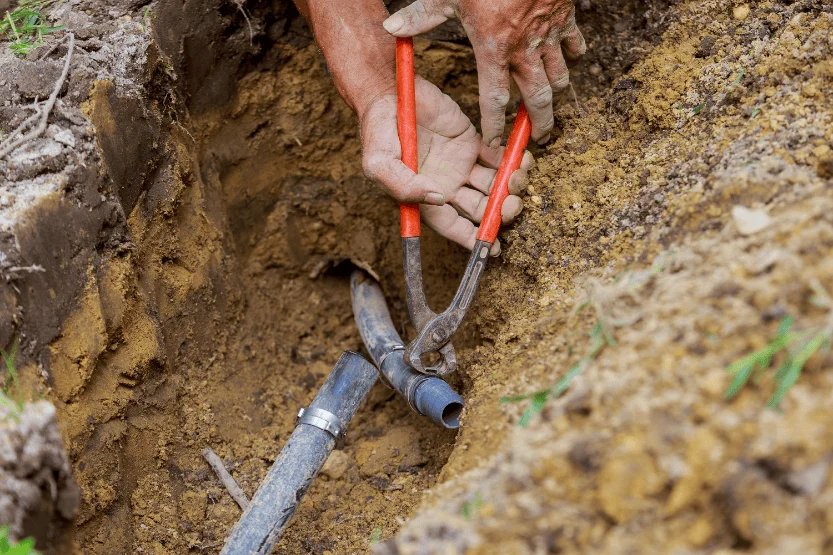
When irrigation systems fail after winter, professional repair helps restore reliable watering quickly. Quality Irrigation provides expert sprinkler repair Omaha services that address leaks, broken heads, valve issues, and controller problems.
Their irrigation repair services focus on diagnosing the root cause of system failures and restoring proper performance. Technicians inspect sprinkler heads, pipes, valves, wiring, and pressure levels to identify hidden problems. This thorough approach ensures your irrigation system operates efficiently and waters your landscape evenly throughout the season.
Get Your Sprinkler System Working Again with Expert Repair
If your sprinkler system is not working after winter, small problems can quickly lead to water waste and poor coverage. Professional irrigation troubleshooting helps find issues fast and restore proper performance. Contact us today for expert sprinkler repair in Omaha and get your system ready for the season.